

Indian Guideline on Nebulization Therapy: Addressing Modern Challenges in Airway Disease Management
Abstract
Nebulization therapy has emerged as an indispensable component in the management of obstructive airway diseases (OADs) such as asthma and chronic obstructive pulmonary disease (COPD), as well as for diverse pulmonary and non-pulmonary indications. Despite its widespread use, nebulization practices in India remain largely unstandardized. Recognizing this gap, the National College of Chest Physicians (India) convened a multidisciplinary task force to develop the nation’s first evidence-based guideline for nebulization therapy. This article summarizes the need, development process, and key recommendations from these guidelines, which aim to standardize and optimize nebulization practices across healthcare settings.
Introduction
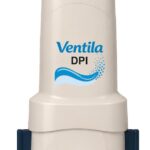
Hand-held inhalers, while effective, pose challenges for children, the elderly, and acutely distressed patients who struggle with proper inhalation technique (Figure 1). Nebulization, by contrast, provides a practical and often superior alternative, delivering aerosolized medication effectively in home care, emergency, and intensive care settings.
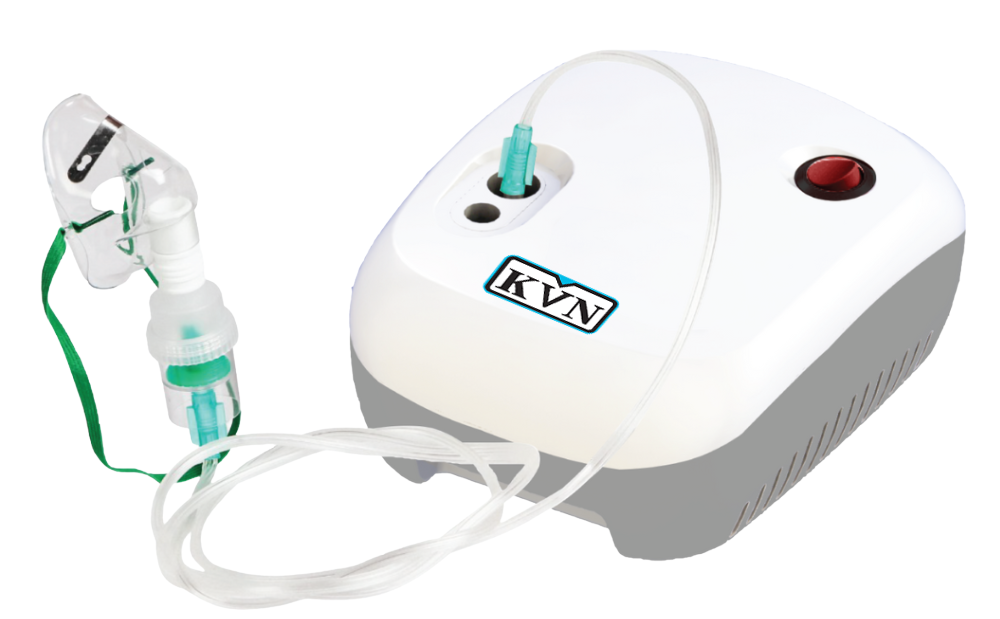
With the rapid evolution of nebulizer technologies and drug formulations, Indian clinicians face growing complexity in selecting appropriate devices and therapies. However, the absence of updated global guidelines—none revised since 1997—has left a void, resulting in inconsistent practices that may compromise patient safety and therapeutic outcomes.
The Need for National Guidelines
The expanded use of nebulization in India has highlighted several challenges (Table 1):
- Device and drug selection: Matching nebulizers (jet, mesh, ultrasonic) with appropriate drug formulations.
- Rational application: Avoiding overuse or inappropriate indications in outpatient and emergency settings.
- Infection control: Ensuring proper cleaning, disinfection, and storage of devices.
Without standardized protocols, nebulization risks becoming both underutilized (in severe cases) and misused (e.g., indiscriminate prescribing), potentially leading to adverse events or poor outcomes.
Development of the Indian Guidelines
To address these gaps, the National College of Chest Physicians (India) initiated a multidisciplinary task force comprising pulmonologists, intensivists, pediatricians, pharmacists, and respiratory therapists.
- Methodology: Recommendations were framed using the GRADE system (Grading of Recommendations, Assessment, Development, and Evaluation) to ensure transparency and evidence hierarchy.
- Literature Review: Global and regional data were reviewed, supplemented with expert consensus where evidence was limited.
- Scope: The guidelines target clinicians, nurses, and respiratory therapists, aiming to harmonize nebulization practices across India.
Key Sections of the Guideline
The guidelines are structured into six core themes:
1️⃣ Basic Principles & Technical Aspects – Types of nebulizers, device selection algorithms, cleaning and maintenance protocols.
2️⃣ Nebulization in OADs – Recommendations for asthma and COPD management, including first-line and rescue therapy roles.
3️⃣ Nebulization in Intensive Care – Special considerations for mechanically ventilated and critically ill patients.
4️⃣ Expanded Drug & Miscellaneous Uses – Indications beyond bronchodilators, including antibiotics, mucolytics, and others.
5️⃣ Home-Based Therapy & Education – Guidance on safe domiciliary use, patient/caregiver education, and adherence strategies.
6️⃣ Nebulization During Infectious Outbreaks – Safety protocols during COVID-19 and similar respiratory viral outbreaks (Figure 2).
Each section integrates practical clinical questions, graded recommendations, and decision-making flowcharts to assist real-world application.
Importance & Expected Impact
These guidelines are designed to:
- Educate and empower clinicians by providing up-to-date, evidence-based protocols.
- Standardize nebulization practice across hospitals, clinics, and home care.
- Reduce risks of device contamination and misuse through structured maintenance protocols.
- Catalyze further research in underexplored areas like antibiotic nebulization and device innovation.
By closing long-standing gaps, these recommendations will ensure safer, more effective, and rational nebulization therapy for Indian patients.
Conclusion
The Indian Guidelines on Nebulization Therapy represent a landmark effort to harmonize clinical practice in an area long governed by fragmented knowledge and outdated recommendations. Through evidence-based, practical solutions, they promise to enhance patient safety, improve therapeutic outcomes, and prepare India’s respiratory care community for emerging challenges in airway disease management.

Other Articles